Philippine Travel Destinations
How to have fun visiting the Philippines' 7,107 islands? The islands offer a long list of great travel destinations. with unique offering and enchanting charm. Enjoy warmth of Philippine hospitality.
In these provinces, you will find great and breath-taking hideaways like white sand beaches, serene nature, cultural and historic sites.
The Philippines, located in the heart of Southeast Asia, is the second largest archipelago in the world with 7,107 islands. It has over 100 ethno-cultural groups and a mixture of Malay, Chinese, Spanish and American influences.
- Island Hopping in Boracay
- Trekking in Mt. Pinatubo
- Palawan Nature Trip
- Historical Cebu
The Philippines is a tropical country with dry and wet seasons. It's also the world's third largest English-speaking nation. Majority of the 72 million Filipinos are Christian, with significant numbers of Muslims and indigenous people. Being a predominantly Christian nation, one will find a lot of historical and beautiful churches.
The country is divided into three geographical island groupings: Luzon, Visayas, and Mindanao. Luzon is the largest island, with 55% of the country's population residing there. It's home to the Cordillera, Sierra Madre, and Caraballo mountain ranges, volcanoes such as Mayon, Taal and Pinatubo, and the country's largest lake, Laguna de Bay.
Northern Luzon
Northern Luzon is where you can find some of the crown jewels of Philippines tourism. The picturesque island province of Batanes, lies almost halfway between the Luzon mainland and Taiwan. Batanes with its rolling, emerald green, quilt-like landscape dotted with typhoon-proof white stone houses with meter-thick adobe walls, amazes first-timers no end.
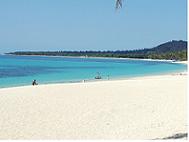
After flying back to the Luzon mainland, you can laze under the sun in the fine, ivory sand beach of Pagudpud in Ilocos Norte. Of course, you wouldn't miss the centuries-old ancestral homes along the cobblestone streets of Vigan, Ilocos Sur, and the Town's high cholesterol but delectable longganiza (native sausage) and bagnet (a chunk of deep-fried pork). From there, you can surf in San Juan, La Union, the only surf camp in the country's western seaboard.
After getting an adrenaline fix on a surfboard, you can drive up to the country's premier summer capital of Baguio to savor what's left of the original American hill station ambiance at Camp John Hay. From the City if Pines,?you can take a seven-hour exhilarating bus ride across Benguet the ?salad bowl?of the Philippines, to nippy Sagada, a popular destination among foreign and local backpackers who want to get a natural high and learn about its unique highland culture. Three-and-a-half hours south of this lofty mountain resort town in the Mountain Province is Banaue, where you can find the world-famous, 2,000-year-old rice terraces lacing its vast mountainsides like giant ?stairways to heaven?that change color from gold to emerald, depending on the season.
- Abra
- Apayao
- Baguio City
- Batanes
- Benguet
- Cagayan
- Ifugao
- Ilocos Norte
- Ilocos Sur
- Isabela
- Kalinga
- La Union
- Mountain Province
Central Luzon and Metro Manila
Metro Manila is the seat of government and the premier international gateway embracing the capital of Manila and several cities and municipalities. It's the heart of the country's social, economic, and cultural life.
Southern Tagalog
Comprising eight Tagalog provinces south of Metro Manila that stretches as far away as Palawan, the Southern Tagalog Region has a wide array of places for a fun holiday. Swimming in hidden beaches and diving in the ancient resort town of Puerto Galera, canoeing inside the dark St. Paul Subterranean River and admiring the unique flora and fauna of Palawan, staying in an all marble house in Romblon, joining in the subdued revelry of the Mariones Festival during the Holy Week in Marinduque and the rowdy agawan of pabitin of the merry harvest festivals of Quezon during Maytime, and savoring the latter's coconut milk based cuisine are but some of the attractions of this vast region. Jump-off point in Luzon for land travellers bound for Western Mindanao is Batangas City, also the starting point of the 919-kilometer Western Nautical Highway (Manila to Dipolog City in Zamboanga del Norte) that links Batangas to Oriental Mindoro, Panay and Negros to Mindanao.
Visayas
The Visayan islands is characterized by natural and cultural diversity. The

The Central Philippine islands that span from the boundless Pacific Ocean in the Country's rarely traversed eastern seaboard to the South China Sea in the western fringes of the country are noted not only for their varied natural beauty but frothier rich cultural heritage as well. Apart from the raucous revelry of Aklan's Ati-Atihan festival to the joyful Dinagyang festival in Iloilo to the colourful Sinulog festival in Cebu to the vibrant Pintados-kasadyaan festival of Leyte to the relatively unkwon Pahoy-pahoy scarecrow festival of Calbiga in western Samar, the region also boasts of its unique geological wonders like the Chocolate Hills of Bohol, its sugary beaches (including a pink one in Northern Samar) and major historical places that matter in our history.
Mindanao
Mindanao, the second largest island, is the seat of Muslim culture and homeland of colorful ethnic tribes. Davao is a top Philippine travel destination. It is geographically the largest city in the world, while Mount Apo is the country's highest peak. Zamboanga along with the Sulu archipelago is fabled for its seafaring communities.Aptly called the ?Land of Promise? by early Christian settlers who sailed to this typhoon-free place to till its fertile valleys and cut timber in its green mountains, Mindanao, especially its eastern half, had a thriving gold industry hundred of years before the Spanish colonizers set foot on the islands in the 16th century. Fine gold jewellery, which where accidentally dug up during an earthmoving operation in Agusan more than 20 years ago, showed intricate jewellery designs that were comparable, if not better, than the 21st century gold adornments sold in plush jewellery shops along Manhattan's Fifth Avenue. The Mindanao adage ?just throw a seed on the ground and it would grow?is true. That's why the world's biggest pineapple plantation is in Bukidnon, while Cavendish bananas thrive in vast tracts of land in Misamis Oriental and Davao ?as far as the eye could see?.
Mindanao's western half is mostly populated by five Muslim tribes, whose Islamic faith reached its south westernmost shores in the 15th century, while the eastern half is inhabited mostly by non-Muslim hill tribes. Now, Christian settlers from all over the archipelago, who brought progress and education to the island, dominate the non-Muslim provinces.
Philippine Fiestas and Festivals

The fiesta is an important part of the fun-loving Filipino culture. Each Philippine city and barrio celebrates at least one local fiesta or festival, usually as a thanksgiving celebration on the feast day of its patron saint. There is always a fiesta going on somewhere in the country, celebrated with all the pomp and pageantry the town people can manage.
More Philippine Fiestas and Philippine fiesta links
Philippine Churches
The Philippines, as the oldest Catholic country in Asia, is home to numerous beautiful and historic churches. Its Baroque churches are cited on the World Heritage List because of their unusual interpretation of a major artistic style. Baroque architecture, which was the dominant western style in the 16th and 17th century reflects a life dominated by the desire to impress through exuberance and extravagance.
4 Rules to Making Millions
Awesome Condominiums
» Worry-Free Vacation Condo
Top Philippine Destinations
Aklan
Baguio
Bohol
Cavite
Cebu
Davao
Ilocos Norte
Ilocos Sur
Manila
Palawan
Great Hideaways
Related Resources
Philippine Churches
Filipino.biz.ph
Wow Philippines
Laguna.biz.ph
Philippine Business Directory
We Recommend
Travel Destinations
International Food
Beauty Secrets
Filipina Beauty
Pinoy Showbiz
Tagalog Movies
Philippine Movies
Filipino Music
Shopping
KabayanCentral.com
Philippine Dreams
The Travel Secrets Guide
Retire to Asia!
Ads by Kabayan
How to be Truly Rich
Bo Sanchez Teaches You
How Good People Get Rich
TrulyRichClub.com
Awesome Manila Condo
Near Casino, Airport & Mall
Worry Free w/ WiFi, Kitchen
Stay 3 days to 1 month
AirBnB.com
Writeup English
4 Rules to Making Millions
Awesome Condominiums
» Worry-Free Vacation Condo
Top Philippine Destinations
Aklan
Baguio
Bohol
Cavite
Cebu
Davao
Ilocos Norte
Ilocos Sur
Manila
Palawan
Great Hideaways
Related Resources
Philippine Churches
Filipino.biz.ph
Wow Philippines
Laguna.biz.ph
Philippine Business Directory
We Recommend
Travel Destinations
International Food
Beauty Secrets
Filipina Beauty
Pinoy Showbiz
Tagalog Movies
Philippine Movies
Filipino Music
Shopping
KabayanCentral.com
Philippine Dreams
The Travel Secrets Guide
Retire to Asia!
Top Philippine Tourism Destinations
- Boracay Island, Aklan - Known for its white sandy beaches, crystal clear waters, and vibrant nightlife.
- Palawan Island - Known for its pristine beaches, crystal clear waters, and breathtaking limestone cliffs and formations.
- Chocolate Hills, Bohol - A geological formation of over a thousand cone-shaped hills that turn brown during the dry season.
- Mayon Volcano, Albay - A nearly-perfect symmetrical active volcano known for its beauty and destructive power.
- Tubbataha Reef, Palawan - A UNESCO World Heritage Site and one of the world's best diving destinations with over 600 species of fish and marine life.
- Intramuros, Manila - A historical walled city that was the center of Spanish colonialism in the Philippines.
- Siargao Island, Surigao del Norte - Known as the surfing capital of the Philippines with world-renowned surf spots.
- Vigan City, Ilocos Sur - A well-preserved Spanish colonial town and UNESCO World Heritage Site.
- Bicol Region - Known for its natural wonders such as the Mayon Volcano, Cagsawa Ruins, and Whale Shark interactions in Donsol.
- Cebu City and Mactan Island - Known for its rich cultural heritage and beautiful beaches with water sports activities.
- Camiguin Island, Northern Mindanao - Known for its white sand beaches, hot springs, and amazing scenery.
- Banaue Rice Terraces, Ifugao - A UNESCO World Heritage Site and one of the most stunning examples of ancient rice terraces carved into the mountainside.
- Coron Island, Palawan - Known for its crystal clear waters, white sand beaches, and stunning underwater scenery.
- Batangas Province - Known for its beaches, diving spots, and mountainous terrain.
- Dumaguete City, Negros Oriental - Known for its laid-back atmosphere, white sand beaches, and vibrant nightlife.
- Zamboanga City, Zamboanga Peninsula - Known for its beautiful beaches, Chavacano culture, and colorful vinta boats.
- Siquijor Island, Central Visayas - Known for its mystical charm, white sand beaches, and beautiful coral reefs.
- Batad Rice Terraces, Ifugao - A UNESCO World Heritage Site and an ancient rice terrace system carved into the mountainous terrain.
- Subic, Zambales - Known for its beaches, theme parks, and outdoor activities such as water sports, trekking, and zip-lining.
- Puerto Galera, Mindoro Oriental - Known for its white sand beaches, coral reefs, and beautiful waterfalls.
Ads by Kabayan
How to be Truly Rich
Bo Sanchez Teaches You
How Good People Get Rich
TrulyRichClub.com
Awesome Manila Condo
Near Casino, Airport & Mall
Worry Free w/ WiFi, Kitchen
Stay 3 days to 1 month
AirBnB.com
Writeup Tagalog
Narito ang ilan sa mga top destinations sa Pilipinas:
- Boracay - Kilala ang Boracay sa kanyang puting buhangin at malinaw na dagat. Ito ay isang tanyag na isla sa Western Visayas.
- Palawan - Kilala sa kanyang magagandang white sand beaches, limestone cliffs, at crystal-clear waters. Napakarami ring magagandang natural na attractions na matatagpuan sa Palawan, kabilang na ang El Nido, Coron, at Puerto Princesa.
- Siargao - Isang tanyag na destinasyon sa Pilipinas para sa mga mahilig sa surfing. Ito ay kilala sa kanyang malalaking alon at magagandang white sand beaches.
- Batanes - Ang Batanes ay isang grupo ng mga isla sa hilagang bahagi ng Pilipinas. Ito ay kilala sa kanyang magagandang tanawin ng bundok, dagat, at mga burol.
- Cebu - Kilala ang Cebu sa kanyang magagandang beaches, malalaking shopping malls, at mga istoryang may kinalaman sa kasaysayan ng Pilipinas.
- Baguio - Kilala ang Baguio bilang "Summer Capital of the Philippines". Ito ay isang tanyag na destinasyon sa gitnang bahagi ng Pilipinas na may malamig na klima, magagandang tanawin ng mga bundok, at mga sikat na pasyalan.
- Bohol - Kilala ang Bohol sa kanyang Chocolate Hills, isang natatanging geologic formation na binubuo ng mga bundok na parang mga tsokolate. Ito rin ay may magagandang white sand beaches, magandang diving spots, at iba pang mga natural na attractions.
- Davao - Ito ay isang lungsod sa timog-silangan ng Pilipinas na may magagandang beaches, mga bundok, at iba pang mga pasyalan. Ito ay kilala rin sa kanyang malalaking prutas, kabilang na ang durian.
- Vigan - Ito ay isang lungsod sa hilagang Luzon na kilala sa kanyang Spanish colonial architecture. Ang Vigan ay isang UNESCO World Heritage Site at isang tanyag na destinasyon para sa mga mahilig sa kasaysayan.
- Sagada - Isang magandang bayan sa Mountain Province na kilala sa kanyang magagandang tanawin ng bundok, mga kwebang kristal, at mga hanggang. Ito rin ay tanyag para sa kanyang kultura at tradisyon ng mga Igorot.
- Camiguin - Isang magandang isla sa Northern Mindanao na kilala sa kanyang mga burol, mga hot spring, at mga white sand beaches.
- Banaue Rice Terraces - Ito ay isang UNESCO World Heritage Site at tanyag sa kanyang mga rice terraces sa Cordillera Mountains. Ito ay naghahatid ng isang magandang tanawin at kultura ng mga Ifugao.
- Coron - Isang magandang isla sa Palawan na kilala sa kanyang mga magagandang beaches, mga diving spots, at mga coral reef.
- Batangas - Isang probinsya sa Southern Luzon na may mga magagandang beaches at mga diving spots. Ito rin ay mayroong mga magagandang tanawin ng bundok at mga kwebang may mga stalactite at stalagmite formations.
- Dumaguete - Isang magandang lungsod sa Negros Oriental na kilala sa kanyang magagandang white sand beaches, mga marine sanctuary, at magagandang tanawin ng bundok.
- Zamboanga - Isang lungsod sa Western Mindanao na kilala sa kanyang Chavacano dialect, mga magagandang beaches, at kultura ng mga Zamboanguenos.
- Siquijor - Isang magandang isla sa gitnang Visayas na kilala sa kanyang mga white sand beaches, mga coral reef, at mga mystical places tulad ng mga mangkukulam at aswang.
- Batad Rice Terraces - Isang UNESCO World Heritage Site at tanyag sa kanyang mga rice terraces sa Ifugao Province. Ito ay naghahatid ng isang magandang tanawin at kultura ng mga Ifugao.
- Subic - Isang magandang lugar sa Zambales na kilala sa kanyang mga magagandang beaches, mga theme parks, at iba pang mga attractions.
- Puerto Galera - Isang magandang lugar sa Mindoro na kilala sa kanyang mga white sand beaches, mga coral reef, at iba pang mga pasyalan tulad ng mga waterfalls at mga caves.
Destinations
Explore Nature
Travel with us and see nature at its finest.
 Maligcong, Bontoc, Mountain Province, Philippines
Mountain Province, Philippines
Maligcong is a barangay (village) located in the municipality of Bontoc in the Mountain Province of the Philippines. It is a beautiful and serene destination that offers breathtaking views of the surrounding mountains and rice terraces. The village is known for its traditional rice farming practices, which have been passed down through generations of Ifugao people.
One of the main attractions of Maligcong is the Maligcong Rice Terraces, which are considered to be some of the most beautiful in the Philippines. The terraces are located on the mountainsides and were built using traditional methods, with each layer of the terrace carefully sculpted to allow water to flow through the fields. Visitors can hike or take a guided tour to explore the terraces and learn more about the Ifugao culture.
Another popular activity in Maligcong is hiking. The village is surrounded by several mountains, including Mount Kupapey, which offers a challenging but rewarding trek to the summit. From the top, hikers can enjoy stunning panoramic views of the rice terraces, surrounding mountains, and nearby villages.
Maligcong is also known for its homestay accommodations, where visitors can stay with local families and experience the traditional way of life in the village. Guests can learn how to cook traditional Ifugao dishes, participate in rice farming activities, and even learn how to weave using traditional looms.
Overall, Maligcong offers a unique and authentic experience of rural Philippine life and culture, with its stunning natural beauty, traditional farming practices, and warm hospitality.

Photo by Darwin Frivaldo
Boracay
Boracay Island in Aklan province is one of the most famous tourist destinations in the Philippines, known for its beautiful white sandy beaches, crystal clear waters, and vibrant nightlife. The island is located in Western Visayas and is accessible by plane from Manila or Cebu, followed by a short boat ride from Caticlan or Kalibo.
The island is divided into three main beach areas: White Beach, Bulabog Beach, and Puka Beach. White Beach is the most popular and well-known, with its long stretch of powdery white sand and shallow waters that are perfect for swimming, sunbathing, and various water activities. Bulabog Beach is the go-to spot for kiteboarding and windsurfing enthusiasts, while Puka Beach is a bit more secluded and offers a more relaxed atmosphere.
In addition to its beaches, Boracay also offers a range of activities and attractions, including island hopping tours, parasailing, scuba diving, and zip-lining. The island also has a lively nightlife scene, with many bars, clubs, and restaurants offering a variety of entertainment options.
However, to preserve the island's natural beauty and sustainability, the government has implemented various environmental regulations and policies, such as the Boracay Island Rehabilitation program, which aims to restore the island's natural resources and protect it from overdevelopment and environmental degradation.
 Palawan
Palawan
Photo by Romel Duarte from Pexels
Palawan Island is a province located in the western part of the Philippines and is known for its natural wonders, including pristine beaches, crystal-clear waters, limestone cliffs and formations, and diverse marine life. In fact, Palawan is consistently recognized as one of the world's best islands and tourist destinations, receiving numerous awards from prestigious travel publications.
Palawan's most famous tourist destination is the Puerto Princesa Underground River, a UNESCO World Heritage Site and one of the New Seven Wonders of Nature. The underground river features a limestone cave system that leads to an underground river flowing directly into the sea, creating a unique and breathtaking experience.
Palawan is also home to many other beautiful beaches, such as El Nido, Coron, and Port Barton, which offer stunning views of limestone cliffs and formations, clear blue waters, and vibrant coral reefs. These beaches are perfect for swimming, snorkeling, diving, island hopping, and other water activities.
In addition to its natural beauty, Palawan also has a rich cultural heritage and history, with many indigenous communities and traditional practices still preserved and practiced. Visitors can learn about Palawan's indigenous people, including the Tagbanua and Batak tribes, through cultural tours and interactions.
Overall, Palawan is a paradise that offers a unique blend of natural wonders and cultural experiences, making it a must-visit destination for anyone traveling to the Philippines.

Cloud 9 Siargao, Philippines
Photo by Dale de Vera on Unsplash
Siargao Island
Siargao Island is located in the eastern part of the Philippines, specifically in the province of Surigao del Norte. It is known as the "Surfing Capital of the Philippines," with its world-renowned surf spots, such as Cloud 9, which attracts surfers from all over the world.
Aside from surfing, Siargao also offers a wide range of activities and attractions, including island hopping, snorkeling, scuba diving, kayaking, and fishing. Visitors can also explore the island's natural wonders, such as Magpupungko Rock Pools and the Sugba Lagoon.
Siargao's laid-back vibe and friendly locals also add to its charm, making it an ideal destination for those seeking relaxation and adventure in a beautiful tropical paradise. The island also has a growing food scene, with many restaurants and cafes offering a variety of local and international cuisine.
Overall, Siargao is a perfect destination for surfers and non-surfers alike, offering an authentic island experience that combines adventure, relaxation, and natural beauty.
 Chocolate Hills
Chocolate Hills, Bohol
The Chocolate Hills is a geological formation located in the island of Bohol in the Central Visayas region of the Philippines. It is composed of around 1,200 cone-shaped hills, which are spread over an area of more than 50 square kilometers. The hills are covered with grass that turns brown during the dry season, which is how they got their name.
The Chocolate Hills are a popular tourist destination in Bohol, attracting thousands of visitors each year. One of the best ways to view the hills is by climbing the observation deck in Carmen, which provides a panoramic view of the surrounding area. Another popular attraction is the ATV ride, which allows visitors to explore the hills up close.
Aside from the Chocolate Hills, Bohol also offers many other attractions, such as the tarsier sanctuary, which is home to the world's smallest primates, and the Loboc River cruise, which features a buffet lunch, live music, and a scenic view of the river and its surroundings.
Overall, the Chocolate Hills is a unique natural wonder that is a must-see for anyone visiting the Philippines. Its picturesque and surreal landscape makes it one of the country's most iconic destinations.

Photo by Archie Binamira
Mayon Volcano, Albay
Mayon Volcano is an active stratovolcano located in the province of Albay in the Bicol region of the Philippines. It is renowned for its near-perfect cone shape, which makes it one of the most iconic landmarks in the country.
Mayon Volcano stands at 2,462 meters (8,077 feet) tall, and its last major eruption occurred in 2018. The volcano is also famous for its destructive eruptions in the past, with the most recent major eruption occurring in 2009. Despite the occasional eruptions, Mayon is a popular tourist destination, attracting visitors from all over the world.
One of the best ways to experience Mayon is by hiking to its summit. The hike takes around 6-8 hours, and offers stunning views of the surrounding landscape. Visitors can also explore the nearby Cagsawa Ruins, which is the remains of a 16th-century church that was destroyed during the 1814 eruption of Mayon.
Aside from hiking and exploring the ruins, visitors can also go on ATV rides or take a zip-line tour around the volcano. The nearby town of Legazpi also offers many restaurants and cafes serving local delicacies, such as Bicol Express and Pinangat.
Overall, Mayon Volcano is a natural wonder that offers a unique blend of adventure, history, and culture. Its majestic beauty and awe-inspiring presence make it a must-see destination for anyone visiting the Philippines.
Palawan
Palawan
By Nikswieweg, CC BY-SA 3.0, Link
Source:Tubbataha Reef. (2023, March 29), Wikipedia
Tubbataha Reef is a marine sanctuary located in the Sulu Sea, approximately 150 kilometers southeast of Puerto Princesa City in Palawan, Philippines. It is a UNESCO World Heritage Site and a popular destination for divers and snorkelers from all over the world.
The reef covers an area of about 97,030 hectares and is composed of two coral atolls with a deep channel dividing them. The reef is home to over 600 species of fish, 360 species of coral, 11 species of sharks, and 13 species of dolphins and whales.
The Tubbataha Reef is only accessible by boat, and visitors must obtain a permit to enter the protected area. Diving is the most popular activity, with over 100 dive sites to choose from. Snorkeling is also available, with shallow areas for beginners and deeper areas for more experienced snorkelers.
Aside from the amazing underwater scenery, visitors can also enjoy the stunning view of the sunset, stargazing at night, and bird watching during the day. The Tubbataha Reef is also an important nesting site for birds, including the endangered Philippine cockatoo.
Overall, Tubbataha Reef is a natural wonder that offers a unique and unforgettable experience for divers and nature lovers. Its pristine and biodiverse marine ecosystem make it one of the world's top dive sites and a must-visit destination in the Philippines.

Baluarte de San Diego, Sta. Lucia Street, Intramuros, Manila
Photo by Aela Mataverde on Unsplash
Intramuros, Manila
Intramuros is a historic walled area in Manila, the capital city of the Philippines. It is one of the city's oldest districts and is sometimes referred to as the "Walled City." Intramuros was founded in 1571 by Spanish conquistador Miguel López de Legazpi and served as the center of political, religious, and military power in the Philippines during the Spanish colonial era.
The area is enclosed by thick walls and gates that date back to the 16th century. Visitors can enter the walled city through several gates, including the Puerta de Isabel II and the Puerta Real. Inside Intramuros, there are many historical landmarks, including the Manila Cathedral, Fort Santiago, and Casa Manila.
The Manila Cathedral is a majestic church that dates back to 1581, and is one of the most significant religious landmarks in the Philippines. Fort Santiago is a military fortress that served as a defense system against foreign invaders during the Spanish colonial era, and is now a museum that displays artifacts from the country's history.
Casa Manila is a colonial-style museum that showcases the architecture and lifestyle of the Philippines during the Spanish colonial period. The museum features a collection of antique furniture, artwork, and household items that give visitors a glimpse into life during the colonial era.
Visitors can also explore the streets of Intramuros, which are lined with historical buildings and structures that reflect the rich cultural heritage of the Philippines. The area is also home to many restaurants and cafes that offer traditional Filipino cuisine.
Overall, Intramuros is a must-visit destination for anyone interested in Philippine history and culture. The area's historical landmarks, museums, and architecture offer a unique glimpse into the country's past and make it a popular destination for tourists from all over the world.
Get the best offers first!
Join our newsletter.
Contact
Let us book your next trip!
Chicago, USPhone: +00 151515
Email: mail@mail.com